

Novelis supplies Beiersdorf with 95% recycled aluminum for Nivea tin

Key takeaways
- Beiersdorf and Novelis have increased the recycled aluminum content of the iconic Nivea Creme tin from 80% to 95%.
- Novelis shares that recycled aluminum requires only 5% of the energy used to produce primary aluminum.
- The companies say the upgraded material cuts carbon impact while maintaining the tin’s durability, quality, and recognizable design.
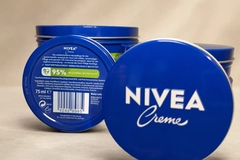 (Image credit: Novelis).
Novelis has equipped Beiersdorf, the German skin care company, with a 95% recycled aluminum tin for its classic personal care brand Nivea Creme.
The production of recycled aluminum boasts a lower carbon footprint compared to the virgin material, which is formed during an energy-intensive process.
“This achievement underscores both companies´ commitment to advancing circular economy principles,” says Michael Hahne, VP Commercial at Novelis Europe.
“Achieving 95% recycled content is an important step toward reducing the carbon footprint, while preserving the quality and distinctive appearance of this iconic crème tin.”
Novelis highlights that the material uses an “optimized alloy composition” that retains the tin’s durability and premium look.
Philip Helm, packaging development manager at Beiersdorf, adds: “Moving from our first milestone of 80% in 2024 to 95% recycled aluminum in the iconic Nivea Creme tin is a result of our long-standing and strategic collaboration with Novelis.”
“This uplift further reduces our carbon footprint while the trusted quality and iconic design of our blue tin remain identical for our consumers.”
Earlier this year, Beiersdorf launched the second iteration of its corporate venture capital fund for skin care innovation with a €100 million (US$116 million) commitment, reinforcing the company’s broader push for innovation across product development and circular packaging.
Increasingly, decarbonization of the packaging sector is pushing producers to assess materials, supply chains, and manufacturing processes.
Aluminum’s circular potential
Aluminum is a known circular material, with a high recycling rate that maintains the material’s strength. This year, supply has also been affected by geopolitical tensions and tariffs.
“We have reached the point where optimizing recycled materials is not just environmentally beneficial, but rather strategically beneficial from a business perspective, as it now offers a safer, more cost-effective alternative to virgin material,” Victor Ljungberg, co-founder and CEO at Meadow, told Packaging Insights.
According to Novelis, recycling aluminum uses 5% of the energy required to produce primary aluminum. “Increasing the use of recycled aluminum helps conserve natural resources and strengthens the circular economy,” says the company.
In recent industry innovations, KHS equipped Rhodius Mineralquellen with a resealable aluminum bottle line in the company’s production facility in Burgbrohl, Germany.
Meanwhile, Ardagh Metal Packaging supplied a 250 mL wine can for the launch of BarLoca, an alcohol-free wine by Royal Swinkels.
In regulatory developments around aluminum, the EU updated its guidance on the interpretation and implementation of the tethering requirements of different types of caps, lids, and covers under the Single-use Plastic Directive. It now excludes aluminum caps or covers from the requirement laid out in Article 6 (1) of the directive.