



Ardagh aluminum can brings convenience to alcohol-free wine launch

Key takeaways
- AMP has supplied a 250 mL aluminum can for Royal Swinkels’ BarLoca 0.0% alcohol wine.
- The wine-specific can blocks light as well asand air and uses an interior lining designed to preserve taste and quality.
- AMP sees growing opportunities for single-serve wine cans as demand for alcohol-free and convenient beverage formats rises.
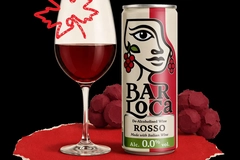 (Image credit: Ardagh Metal Packaging).
Ardagh Metal Packaging (AMP) has supplied a 250 mL wine can for the launch of BarLoca, an alcohol-free wine by Royal Swinkels.
BarLoca Bianco and Rosso are now available in the Netherlands, Belgium, and Germany in a semi-matt can created for wines. The can design keeps light and air out and includes an interior lining specially designed to preserve the quality and taste of wine, as described by the packaging provider.
With the can, AMG aims to offer consumers the on-the-go convenience of aluminum packaging. The company outlines that the material is lightweight, unbreakable, easy to transport, chill, and store. The cans also deliver the convenience associated with single-serve formats, AMG adds.
AMP says it is the only can manufacturer in Europe to produce cans specifically for the wine sector, adding that it brings “unique expertise to this growing category.”
Flemming Morth, head of New Drinks at Royal Swinkels, comments: “The can opens up new occasions, because it is single serve and easy to take along. The 250 mL size makes it easy to pour just one glass, switch between red and white, and have wine at moments when a full bottle doesn’t make sense. Together with AMP, we found a can that preserves the quality of the wine and stands out on the shelf.”
Gerlof Toenhake, director of Marketing and Business Development for AMP Europe, adds: “BarLoca is an innovative 0.0% wine concept, and it deserves a packaging solution that reflects that innovation.”
“By combining Royal Swinkels’ beverage expertise with our experience in wine cans, we are bringing the product to market in a modern packaging format that combines quality and convenience.”
Packaging for growing categories
AMP highlights that the launch comes at a time when the beverage market is being transformed by the growing relevance of no- and low-alcohol beverages.
BarLoca is made from Southern Italian wine dealcoholized at Royal Swinkels’ brewery in Lieshout, the Netherlands.
“With BarLoca 0.0% wine, we set out to do what alcohol-free beer has done for beer drinkers,” notes Morth. “We wanted wine drinkers to keep the wine experience when they choose to skip the alcohol.”
In the alcohol-free beer category, Bero, a premium brewery co-founded by Tom Holland and John Herman, launched its signature pilsner in a glass bottle, alongside its existing aluminum can packaging. According to Bero, it is the first brand to introduce non-alcoholic beer in a glass bottle in the US.
AMP is not the only packaging supplier to the alcohol industry to notice this trend. At the recent BrauBeviale 2026 trade show, Krones spotlighted its filling and processing technology, specifically targeting alcohol-free beer growth.
These developments are creating new opportunities for wine in cans, continues AMP. “The format combines the benefits of aluminum with the convenience required for a wider range of consumption occasions, as cans are well suited to social gatherings, meals, outdoor occasions, festivals, terraces, and everyday moments at home,” the company says.
“Many consumers are increasingly looking for health-conscious and convenient beverage choices, while expectations around taste and quality remain high.”
Demand for packaging that offers on-the-go convenience is growing across industries, from alcohol and snacks to beauty and personal care.
In August, Ardagh Holdings was preparing for a potential sale of some or all of its nearly 76% stake in AMP to a third-party buyer, but a Luxembourg court blocked the sale last month.