



Eco-friendly indulgence: Vetropack unveils lightweight and reusable wine bottle


Key takeaways
- Vetropack has developed a 0.75-liter Rhinewine bottle weighing 350 g, reducing CO2 emissions compared with conventional bottles.
- Vetropack has introduced a reuse system with returnable bottles featuring a reinforced Bague Verre Spécifique neck.
- The returnable bottle is produced at the Pöchlarn site in Austria and managed by Genossenschaft Deutscher Brunnen.
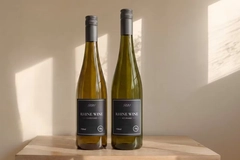
Vetropack has developed a lightweight solution for 0.75 L Rhinewine bottles. The new bottle weighs 350 grams and aims to lower CO2 emissions throughout the supply chain, from production and transport to distribution.
The solution is made from around 80% recycled glass. According to the company, compared with a conventional Rhinewine bottle, the lightweight bottle generates 13% less CO2 over a transport distance of 100 kilometers, cutting material, logistics, and licensing costs relevant to export markets with glass weight limits.
Harald Geist of Vetropack says: “Reducing the weight of a 750 mL Rhine wine bottle to 350 grams is a technological achievement. The key was working closely with our technical teams to develop a solution that meets the mechanical requirements of our customers’ bottling and logistics processes and delivers an attractive appearance. The tests confirm that we have achieved this goal.”

Last year, Vetropack announced plans to increase the production of lightweight, thermally hardened glass bottles in Austria, starting in the second quarter of 2026.
Advancing reusability
Vetropack has also introduced a reuse system. The company has begun manufacturing the returnable Rhinewine bottles at its Pöchlarn site. The pool is managed by the Genossenschaft Deutscher Brunnen.
“Winegrowers now have access for the first time to an elegantly designed, reusable wine bottle that is particularly well-suited to direct sales or use at green events. In addition to CO2 savings of up to 90% across the value chain, users also benefit from standardized processes,” says Geist.
With a height of 340 mm, the bottle is designed for efficiency in logistics and can be stacked up to four layers high. A four-sided reusable embossing ensures that the bottle remains identifiable at all times.
The wine bottle features a Bague Verre Spécifique finish. This reinforced neck is said to ensure robustness for reusable cycles and industrial filling processes.
The move aligns with the F&B industry’s broader shift toward reusable packaging due to consumers’ increasing awareness of issues relating to waste, resource use, and climate impact.
The first market participants have started using the system. A matching six-pack crate is expected to be launched in July.
Earlier this year, Vetropack told Packaging Insights that material innovations will continue to play a vital role, and systemic improvements can enable circularity to scale effectively.