


Toyo Seikan supplies Japan Football League with recyclable cups


Key takeaways
- Toyo Seikan Group has partnered with the J.League to supply paper cups and paper-based food containers.
- The company provided PE-laminated paper cups and installed Re-Cup Washer machines and collection boxes to support cup sorting, washing, recycling, and composting.
- The initiative reflects a shift among international sports venues and events toward reusable and recyclable packaging systems.
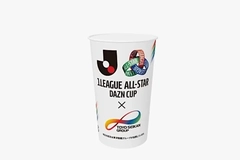
Toyo Seikan Group has signed an agreement with the Japan Professional Football League (J.League) to supply paper cups and paper-based containers for the tournament, while also implementing a collection system for used containers.
The company has conducted a demonstration for composting food containers made from biodegradable plastic provided in the VIP lounge.
“Through this initiative, we aim to raise visitors’ awareness of the recycling of paper containers and contribute to the realization of a resource-recycling society. Through this partnership agreement, we will work to reduce combustible waste at the stadium and raise awareness of resource recycling,” states the company.
Reducing single-use waste
To promote a “waste-free viewing style” at the tournament, Toyo Seikan Group provided 17,000 paper cups made with biomass PE lamination. The cup was exclusively designed for the tournament.

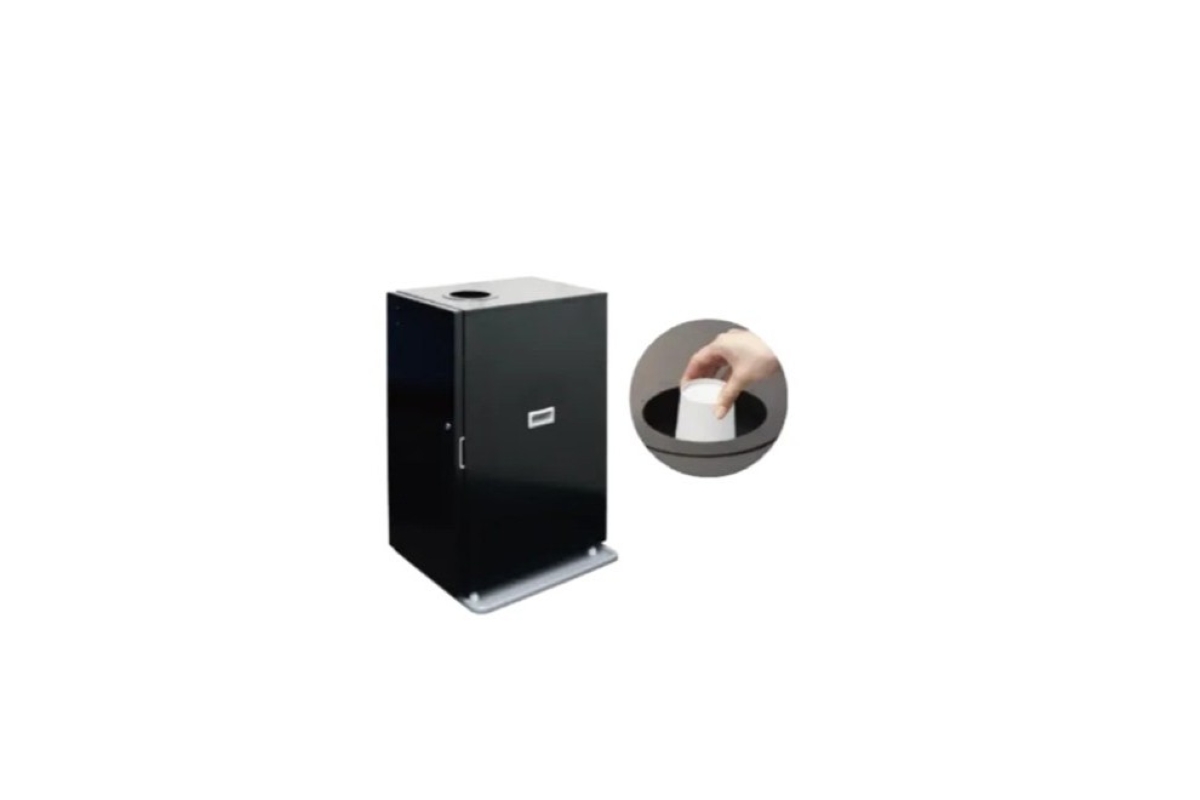 With the Re-Cup Washer, consumers can turn waste paper cups into recyclable resources.The company has also installed two Re-Cup Washer paper cup washing machines along with collection boxes for paper cups in the food truck area and in the stadium concourse.
Toyo Seikan Group urges attendees to cooperate in sorting the cups, creating a system for collecting, washing, recycling, and composting paper containers.
Meanwhile, international events are increasingly seeking to reduce their carbon footprint and adopt more sustainable solutions. At this year’s FIFA Fan Festival in Toronto, Canada, CA$200,000 (US$144,000) was invested in reusable cups and foodware. An NGO estimates that World Cup 2026 events could further prevent more than one million single-use plastic items by adopting reusable alternatives.
Last year, an NGO in Hong Kong SAR researched the potential of a reusable cup system to reduce single-use waste at the Kai Tak Sports Park.
Recently, Borro, a Belgian digital reuse start-up, launched Borro 1, a reuse system designed for cups at large venues like stadiums and arenas.