

SIG and Leibinger: Material and ink innovations cut dairy packaging waste


Key takeaways
- SIG and Leibinger highlight material innovation, efficient coding systems, and aseptic technology as key routes to lowering dairy packaging impacts.
- Aseptic packaging can extend shelf life without refrigeration or preservatives, reducing food waste.
- Dairy producers must balance environmental performance with scalability and affordability.

Dairy products are facing increasing consumer demand for clean label solutions and reduced production emissions, alongside growing concern over packaging waste.
Innovations in the dairy packaging space revolve around material developments, strengthened aseptic conditions, and efficient ink and labeling processes. But central industry innovation is: reducing packaging impact while maintaining shelf life, food safety, and affordability.
Packaging Insights sits down with SIG and Leibinger to explore the methods dairy packaging producers are adopting to tackle current sustainability pressures.
“LCA results consistently show the biggest impact on the life-cycle [of packaging] comes from the production of raw materials,” Julia Trebels, global category and consumer insights manager at SIG, tells us.
“Packaging material innovations have the power to transform dairy packaging by reducing carbon footprint and environmental impact.”
She points to SIG’s Terra portfolio of sustainable packaging dairy formats featuring aseptic cartons, bag-in-box systems, aluminum-free solutions, and spouted pouches.
Recently, SIG supplied its Terra MidiBloc Alu-free + Full barrier aseptic cartons to Pomurske Mlekarne for the relaunch of the dairy company’s 2.8% low fat milk.
Improving ink systems
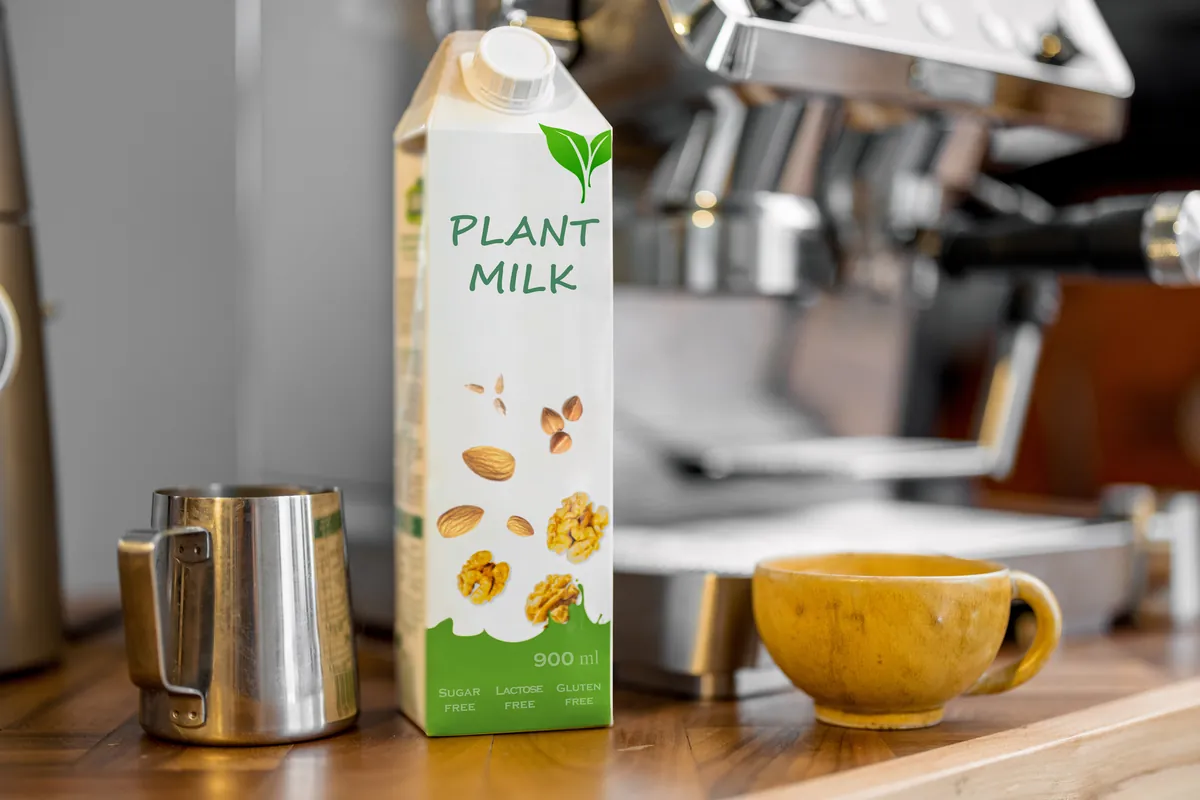 Dairy packaging is evolving through lower-impact materials, aseptic systems, and efficient coding.Another pathway dairy companies and producers can take to improve the sustainability of their packaging is to ensure printing and ink systems are efficient and use appropriate resources.
“Sustainability is an important consideration in dairy production,” adds Maren Klose, marketing communications manager at Leibinger.
“Leibinger systems are designed for overall operational efficiency: they optimize ink and solvent usage, reduce unnecessary material consumption, and contribute to overall resource efficiency through energy-conscious operation.”
She points out Leibinger’s coding and marking installation in Wapnö Gård, a Swedish-based integrated dairy and food producer. Leibinger’s IQJet continuous inkjet printer applies batch numbers and best-before dates to several packaging formats, including milk cartons, yogurt cups, beer cans, and glass bottles.
Klose adds: “This approach has helped dairy producers lower material waste and improve their environmental footprint, aligning coding processes with broader sustainability objectives.”
Aseptic dairy packaging
Another pathway dairy companies and producers can take to improve packaging processes is ensuring complete aseptic conditions, to reduce spoilage and waste, especially for consumers concerned with added preservatives. Companies such as SIG, Sidel, and Tetra Pak are increasingly innovating aseptic conditions for packaging.
At Interpack 2026, Packaging Insights interviewed Marina De Barros, EVP customer management Europe and Central Asia at Sidel, about how robotics can enable faster product format changes, while reducing waste and optimizing resources across the packaging process.
“Aseptic processing and packaging is one of the most established and accepted solutions to achieve long shelf life for dairy products without refrigeration or preservatives,” reinforces Trebels.
Aseptic process means the products and packaging are sterilized separately, and then filled and sealed in a sterile environment.
Recently, SIG partnered with Oobli to bring the US-based sweet protein drink company’s product to market, utilizing SIG’s advanced aseptic filling technology. Meanwhile, Sidel equipped Guangdong Baisen Food, an F&B producer in China, with its Aseptic Combi Predis production line.
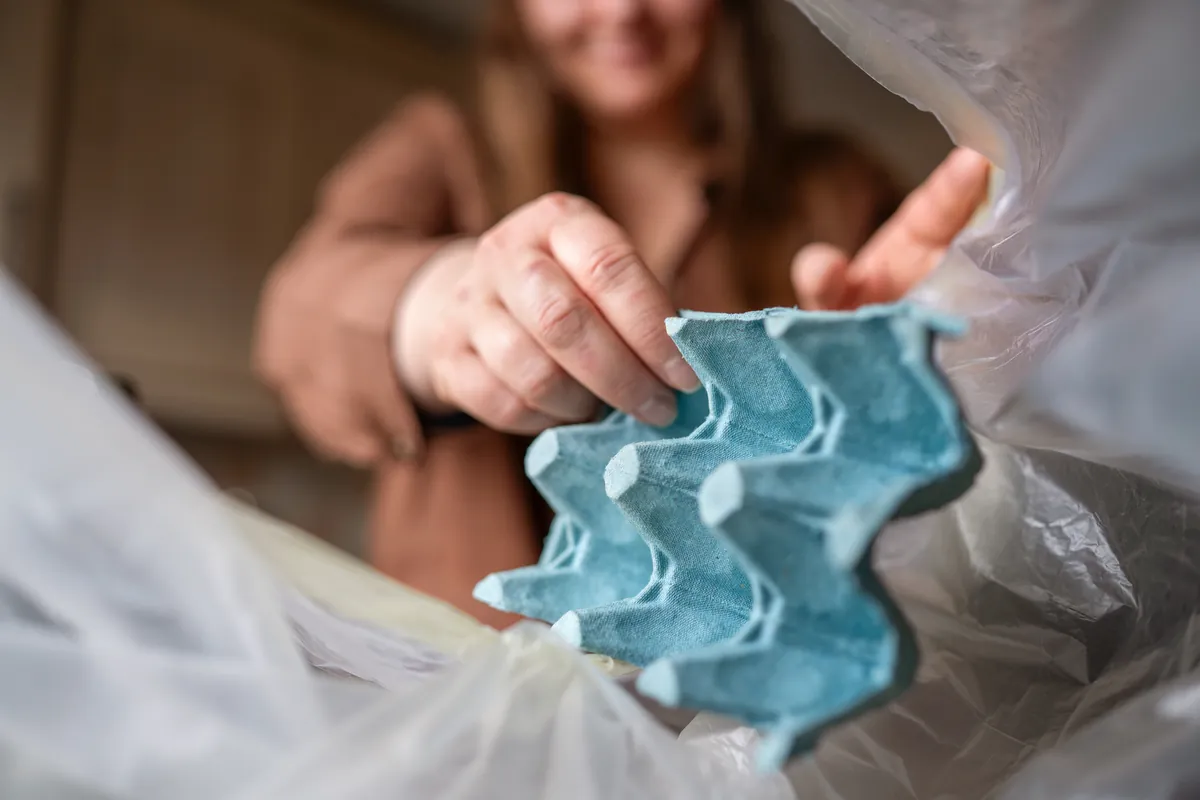 SIG and Leibinger highlight solutions that reduce waste while protecting shelf life and food safety.“This method allows dairy products to be stored for months without refrigeration and without the need for preservatives – meeting consumer expectations for clean products,” she adds.
Tetra Pak equipped Italian dairy company Sterilgarda Alimenti with its Tetra Brik Aseptic 1000 Edge, reportedly the “first ever” 1 L solution of its kind. Packaging Insights recently spoke to Tetra Pak about the use of aseptic packaging to ameliorate food insecurity.
“Technologies that extend food shelf life without refrigeration or preservatives, such as aseptic packaging, are helping to reduce food waste, lower energy demand, and improve access to safe, nutritious food,” explained the Tetra Pak spokesperson.
Juggling dairy demands
Other recent material innovations in the dairy packaging space have included Mother Dairy’s degradable milk pouch for its Cow Milk variant across the Delhi National Capital Region. The solution is said to be a “first-of-its-kind” in India, engineered to degrade in soil within a few years.
Yet biodegradable packaging can sometimes require specific conditions to break down and for potential contamination of plastic recycling streams.
Trebels attest that sustainable packaging solutions must be “accessible and scalable,” and not let down on performance.
“That is why our SIG Terra solutions are ‘plug and play’, designed to fit into existing operations and to run on existing SIG filling lines, enabling rapid industry adoption,” she concludes.
While options to reduce the environmental impact of dairy packaging lie in ink and resource reduction, aseptic efficiency, and material innovation, the sector continues to balance scalability, cost, food protection, and measurable environmental performance.